Rewriting the Epigenetic Clock
Can partial cellular reprogramming reverse human biological aging? Controlled Yamanaka factor pulses demonstrate vascular rejuvenation in preclinical trials.
Visual Field Reports from the Laboratories
Direct dispatches, robotics cleanrooms, and cryo-EM suites

Inside the Ultra-Clean Robotic Biofoundries of Cambridge
Acoustic dispensers eject 2.5-nanoliter reagent droplets via focused ultrasonic sound pulses inside an ISO Class 5 cleanroom.
Scientific Disciplines
Core Research Areas AI & Discovery
From Code to Crystal: Inside the Fully Autonomous Generative Drug Foundry
Physical pipettes are giving way to acoustic liquid handlers driven by reinforcement learning agents, collapsing the lead discovery pipeline from 4 years to 14 days.
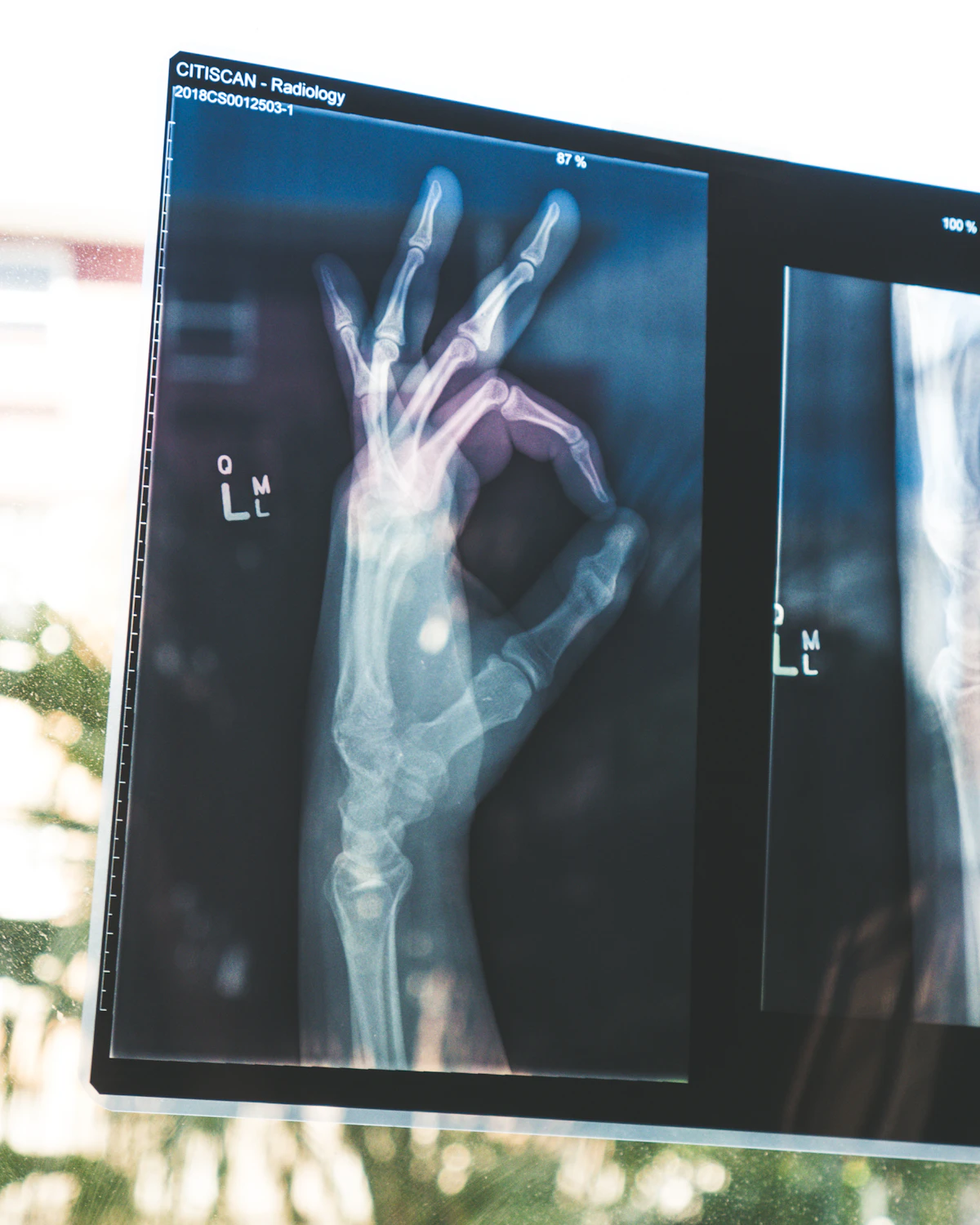
Prime Editing 3.0: Erasing Monogenic Neurological Mutations In Vivo
Double-strand breaks and random indels have plagued clinical CRISPR. The latest generation of engineered pegRNA architectures eliminates off-target cleavage entirely.


The Industrial Microbe: Microbial Fermentation Replaces Petrochemical Polymers
Spider silk, aerospace composites, and performance textiles are being grown inside stainless steel bioreactors at costs rivaling synthetic plastics.
Field Dispatches & Preprints
The Q3 BioCapital Report: $14B Deployed into Next-Gen Conjugates and Degitizers
An exclusive breakdown of global life science venture allocations, private valuations, and the reopening of the public biotech IPO window.
Light Over Silicon: Optogenetic Neural Interfaces Restore Lost Motor Pathways
Silicon electrodes degrade inside brain tissue. Wireless infrared optogenetics is offering a biocompatible bridge between intention and robotic actuation.
Milk Without Mammals: Precision Fermentation Reaches Price Parity with Bovine Dairy
Without a single cow, bio-reactors are delivering authentic cheese, butter, and milk proteins while slashing agricultural land and water consumption by 92%.
The Ethics of Perfection: Where Does Prevention End and Genetic Enhancement Begin?
When we possess the technology to eliminate cardiovascular predisposition and neurodegenerative alleles before embryo implantation, is withholding intervention a form of medical neglect?
 Immunology
The Allogeneic Leap: Ready-to-Infuse Donor CAR-T Cells Conquer Solid Tumors
Autologous CAR-T costs $450,000 and requires weeks of personalized manufacturing. Off-the-shelf universal donor batches are cutting treatment costs by 85% while shipping in under 48 hours.
Genomics & Nucleases
CRISPR 3.0, Spatial Maps & Epigenome Engineering
Prime Editing 3.0: Erasing Monogenic Neurological Mutations In Vivo
Double-strand breaks and random indels have plagued clinical CRISPR. The latest generation of engineered pegRNA architectures eliminates off-target cleavage entirely.
The Ethics of Perfection: Where Does Prevention End and Genetic Enhancement Begin?
When we possess the technology to eliminate cardiovascular predisposition and neurodegenerative alleles before embryo implantation, is withholding intervention a form of medical neglect?
The Subcellular Atlas: 4D Spatial Transcriptomics Maps Every RNA Molecule in Intact Organs
Single-cell RNA sequencing required grinding tissues into liquid suspensions, destroying architectural context. Spatial transcriptomics preserves every cell's native coordinate inside intact biopsies.
AI & Algorithmic Biology
Generative Foundries & Atomic Foundation Models
Frontier Structural Foundation Models
| Model | Architecture | Target Modality | Access | RMSD / Res |
|---|---|---|---|---|
| AlphaFold 3 | Diffusion Multimodal | Protein-DNA-RNA-Ligand | Academic API | 1.2Å |
| ESM3 | 98B Parameters | Sequence-Structure-Function | Open Apache 2.0 | 1.6Å |
| RFdiffusion | SE(3) Equivariant | De Novo Binder Design | Open Source | 1.4Å |
| Chroma 2.0 | Continuous Backbone | Symmetric Macromolecules | Commercial / Free Academic | 1.5Å |
From Code to Crystal: Inside the Fully Autonomous Generative Drug Foundry
Physical pipettes are giving way to acoustic liquid handlers driven by reinforcement learning agents, collapsing the lead discovery pipeline from 4 years to 14 days.
Synthetic Biology & Cellular Engineering
Microbial Materials & Fermentation Platforms
The Industrial Microbe: Microbial Fermentation Replaces Petrochemical Polymers
Spider silk, aerospace composites, and performance textiles are being grown inside stainless steel bioreactors at costs rivaling synthetic plastics.
Milk Without Mammals: Precision Fermentation Reaches Price Parity with Bovine Dairy
Without a single cow, bio-reactors are delivering authentic cheese, butter, and milk proteins while slashing agricultural land and water consumption by 92%.
Most Read Articles
- 1.Genomics3h ago
Single-cell spatial transcriptomics maps liver regeneration in 4D
- 2.BioBusiness5h ago
Why big pharma is betting $20B on bispecific T-cell engagers (BiTEs)
- 3.AI & Discovery8h ago
DeepMind AlphaProteome source code released for non-commercial labs
- 4.Synthetic Bio1d ago
Synthetic chloroplasts achieve 18% higher photosynthetic yield in crops
- 5.Genomics1d ago
In vivo delivery of 24kb prime editing payload via non-viral synthetic capsids
- 6.Microbiome2d ago
Engineered Bacteroides thetaiotaomicron produces localized mucosal cytokines
Clinical Pipeline Monitor
Active FDA Tracker| Candidate | Target | Phase | Status |
|---|---|---|---|
| NTX-2004 | Transthyretin (TTR) | Phase III | FDA PDUFA in 38 Days |
| BEAM-302 | Alpha-1 Antitrypsin | Phase I/II | Biomarker Positive |
| ALN-K9 | PCSK9 siRNA (SubQ) | Phase III | Primary Endpoint Met (-68%) |
| PRX-082 | Tau Condensates | Phase II | Cohort Enrolment Complete |
| CRISPR-ALLO-01 | CD19 / CD20 Dual | Phase I | 89% Complete Remission |
Pioneer Spotlight
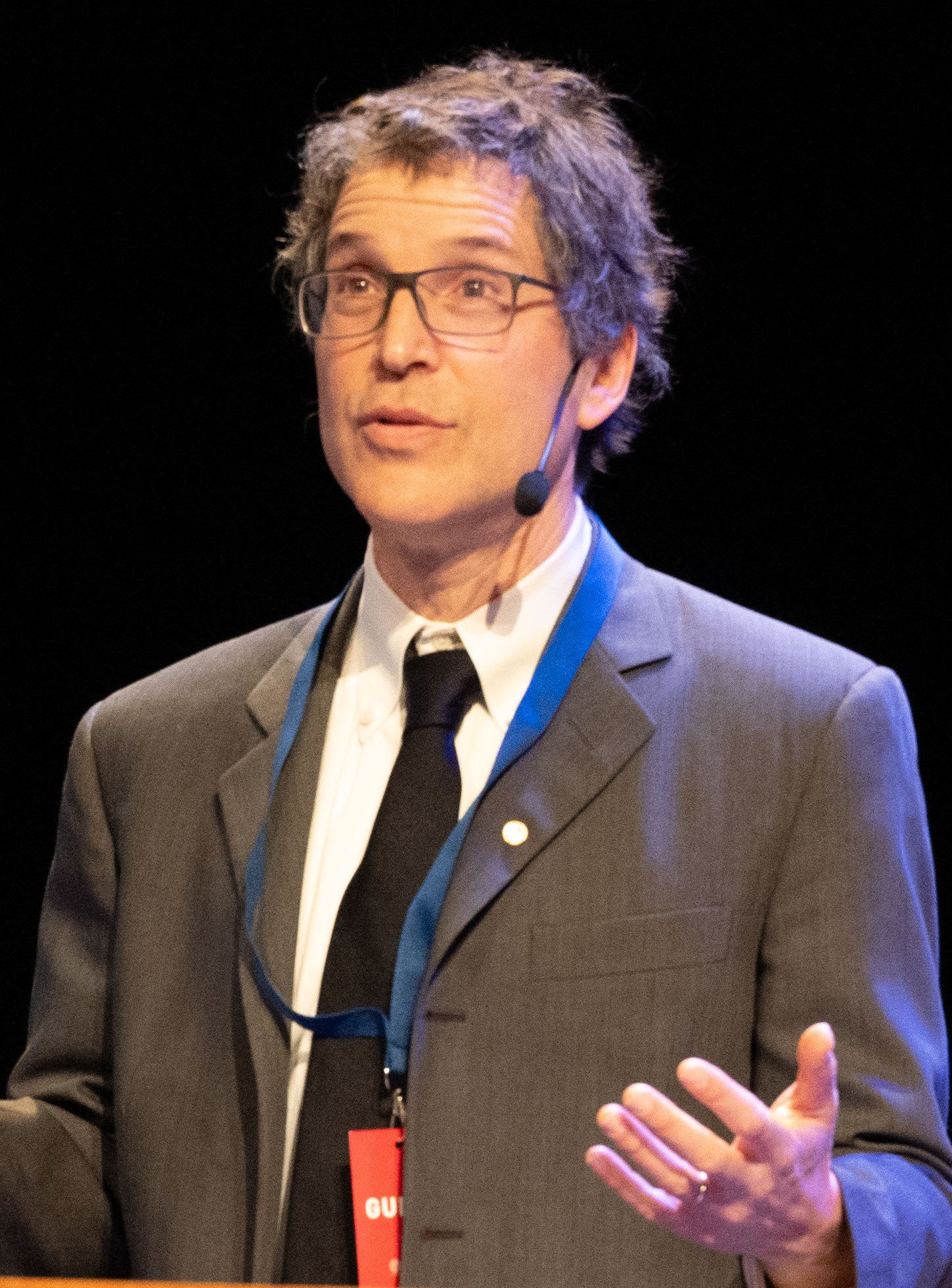
Prof. David Baker
2024 Nobel Laureate in Chemistry
Director, Institute for Protein Design, UW
“For decades, biology worked backward from nature's proteins. Today, with generative diffusion and deep learning, we design entirely novel macromolecular machines de novo from first principles.”
Read Nobel Laureate Dialogue →The 2027 Synthetic Biology Forecast
140-page investigative report on genetic medicines, deep biological compute, and bio-manufacturing infrastructure.
Macromolecular 3D Architecture
Inspect atomic coordinates, secondary structure helices, and active catalytic domains in real-time WebGL space. Drag to rotate 360°, zoom, or inspect binding clefts.
Streptococcus pyogenes Cas9 in catalytic complex with single-guide RNA (sgRNA) and target DNA duplex with PAM recognition motif.
Micrography Gallery
Scientific imagery captured across electron, confocal, and cryogenic microscopes in world-renowned research institutes.
Cortical Synaptic Arborization in 4-Color Fluorescence
High-resolution optical STED microscopy resolves individual dendritic spines and postsynaptic density proteins in cultured hippocampal pyramidal neurons.
Macrophage Engulfing Carbapenem-Resistant Klebsiella
Cellular pseudopodia of an activated human alveolar macrophage extend to phagocytose an encapsulated superbug cluster during acute clearance.
Engineered Bacterial Cellulose Nano-Weave
Crystalline ribbon bundles synthesized by Komagataeibacter rhaeticus exhibiting 1.4 GPa tensile strength and nanoscale self-assembly.

Deep-Sea Bioluminescent Photophore Matrix
Luciferase enzyme catalytic chambers organized in hexagonal optical mirrors, reflecting coherent blue-green 470nm light pulses in Aeginura grimaldii.
mRNA Nanoparticle Architecture
Select hotspots on the vesicle cross-section to inspect the biochemical mechanism and clinical rationale.
Encapsulated Modified mRNA Core
Synthetic Cap1, 5'-UTR, N1-methylpseudouridine (m1Ψ) modified ORF, poly(A) tail (120nt).
Completely evades TLR7/TLR8 innate immune sensors, yielding 8x higher translation efficiency of therapeutic OSK factors.
Research Briefs
Distilled findings and clinical metrics from this week's papers in Nature, Cell, Science, and NEJM.
| Journal | Research Finding & Key Takeaway | Benchmark Metric | Source |
|---|---|---|---|
| Nature | Structural basis of human mitochondrial transcription termination revealed by cryo-EM at 1.8ÅReveals how MTERF1 stabilizes paused transcription complexes, unlocking novel targets for mitochondrial myopathies. | 1.8Å Cryo-EM | DOI Link → |
| Cell | Metabolic reprogramming of exhausted CD8+ T cells via pyruvate dehydrogenase kinase inhibitionSmall-molecule PDK1 inhibitors reverse T-cell exhaustion in anti-PD-1 refractory pancreatic ductal adenocarcinoma models. | 3.4x T-cell Persistence | DOI Link → |
| Science | De novo design of allosteric protein switches activated by physiological calcium fluxesEngineered synthetic calcium sensors that change quaternary conformation without relying on native calmodulin scaffolds. | 12nM Affinity | DOI Link → |
| NEJM | Phase III Trial of In Vivo CRISPR Base Editing for Heterozygous Familial HypercholesterolemiaSingle LNP infusion of ANGPTL3 base editor sustained 58% reduction in serum LDL-cholesterol at 24 months with no serious adverse events. | -58% LDL-C Sustained | DOI Link → |
The BIO Podcast
In-depth conversations with pioneers engineering synthetic genomes, generative enzymes, and longevity therapeutics.

The Architecture of Synthetic Genomes: How We Synthesized Chromosome IV
A deep conversation on the multiplex recoding of genomes, synthetic human chromosomes, and the technological horizon of living biocomputers.
AI Foundries & The End of Traditional Medicinal Chemistry
How directed evolution and generative machine learning are redesigning enzymes for greener chemical synthesis, carbon capture, and macromolecular materials.
Longevity Medicine: Transitioning from Biomarkers to FDA Endpoints
Updates on transient cellular reprogramming, resolving the teratoma barrier, Horvath clock epigenetic shifts, and clinical translation in primates.
The BIO Lexicon
Key molecular mechanisms, diagnostic parameters, and therapeutic modalities decoded.
A search-and-replace gene-editing technology that writes new genetic information directly into a specified DNA site using an engineered reverse transcriptase fused to an RNA-guided nickase.
Enables precise insertions, deletions, and all 12 point-mutation conversions without inducing double-strand DNA breaks.
Conferences & Summits
Key upcoming academic and industrial assemblies across North America and Europe where breakthrough data is unveiled.
| Dates | Symposium & Assembly | Host City | Delegates |
|---|---|---|---|
| Nov 12–15, 2026Symposium | Cold Spring Harbor Genome Engineering Symposium | Cold Spring Harbor, NY & Virtual | Register → |
| Dec 02–05, 2026Summit | SynBioBeta Global Biomanufacturing Summit | San Jose Convention Center, CA | Register → |
| Jan 18–21, 2027Conference | International Society for Stem Cell Research (ISSCR) Winter Forum | Zurich, Switzerland | Register → |
Curated Columns & Series
Specialized deep dives published on a dependable rhythm by domain researchers and science correspondents.
Lab to Launch
Academic discoveries translated into venture-backed spinouts.
The Gene Edit
Frontiers of CRISPR, prime editing, and targeted gene modulation.
In the Pipeline
Phase II/III clinical trial readouts and regulatory decision countdowns.
The 5-Minute Primer
Complex biological mechanisms decoded into crystal-clear mental models.