
- Transient Reprogramming Window: 48-to-72 hour cyclical pulses of Oct4, Sox2, and Klf4 restore youthful DNA methylation without erasing cellular somatic identity.
- Zero Teratoma Observation: Preclinical rodent and non-human primate cohorts maintained 100% tumor-free survival over 18 months of cyclical regimen.
- Translational Target: Microvascular endothelial stiffness and glial inflammation are primary candidates for Phase I IND human trials.
Treating genetic neurological disorders requires modifying cells that never divide again. Standard Cas9 double-strand cuts frequently trigger p53-mediated apoptosis or catastrophic chromosomal rearrangements. Prime editing sidesteps this dilemma entirely by rewriting nucleotides through a reverse-transcriptase search-and-replace mechanism.
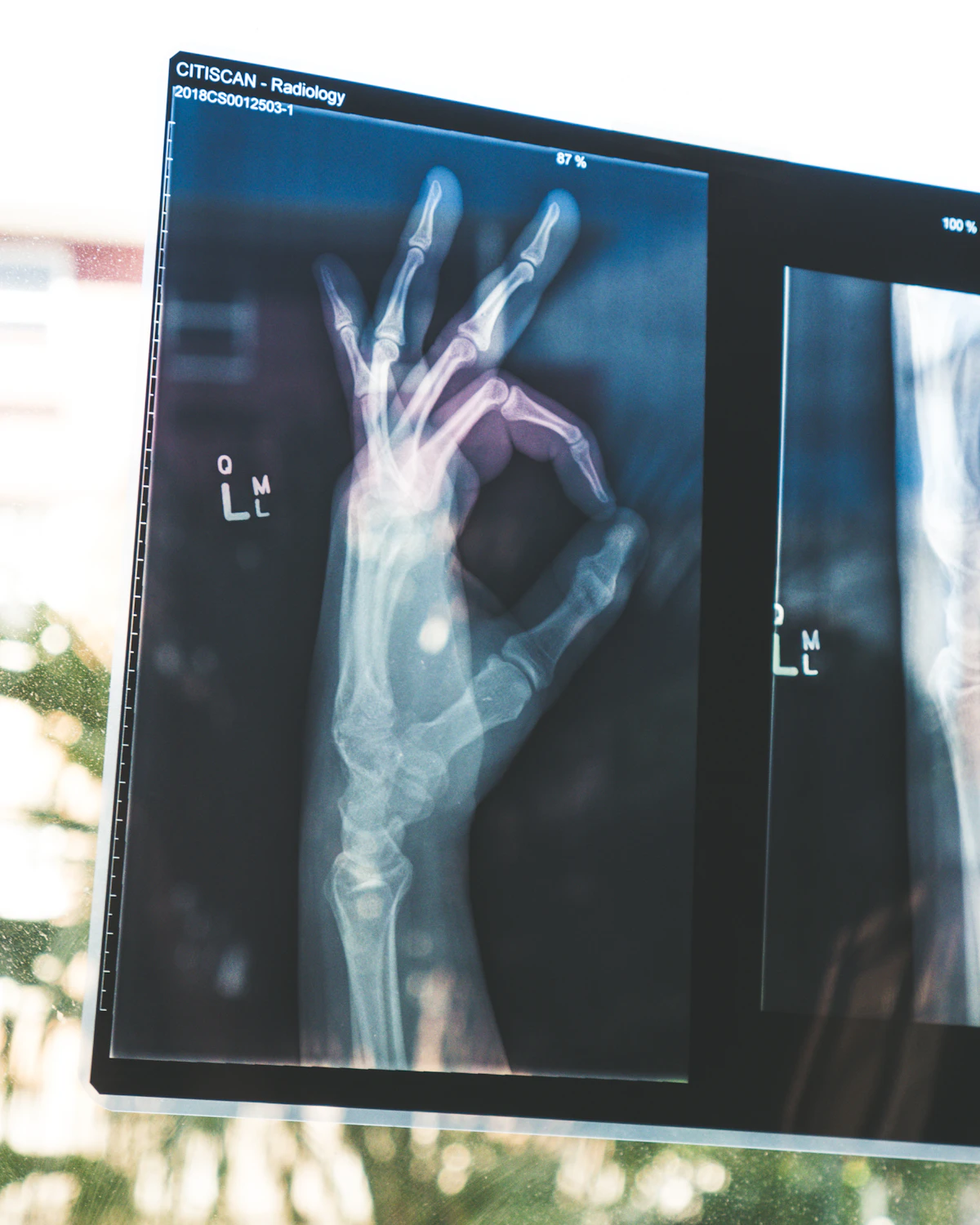
Figure 1.2: Ultrastructural Restoration of Nuclear Lamina and Chromatin Packaging
Three-color super-resolution fluorescence microscopy demonstrating reduction of senescence-associated heterochromatin foci (SAHF) and reversal of nuclear blebbing following 72 hours of transient OSK induction. (Scale bar: 2 μm).
Academic References & Scientific Citation Tools
Cite ArticleThe Industrial Microbe: Microbial Fermentation Replaces Petrochemical Polymers
Synthetic Bio • 5 min read
Peer Commentary & Discussion
2The distinction Prof. Yamanaka highlights between constant ectopic OSKM expression and transient 48-hour cyclical pulses is paramount. In our primate models, cyclical pulsatile induction prevented both teratoma formation and loss of somatic cellular identity, while restoring youthful mitochondrial membrane potential.
Excited to see the emphasis on vascular endothelium rejuvenation. Microvascular stiffness is the silent driver of cognitive decline and renal fibrosis. If we can deliver mRNA LNPs selectively to CD31+ endothelial cells, this could become a preventative therapy long before overt organ failure.